A garment quotation is normally firm for 15 to 30 days, and after that every line inside it can move: fabric, trims, labour and the exchange rate it was priced at. Price validity is the written window in which a factory's number can still be accepted — the term buyers most often forget to check.
The gap between receiving a quote and confirming the purchase order is routinely two to six weeks once samples and internal approvals are involved, and in that window the factory's inputs keep moving. On a US$40,000 order, a 3% currency move is US$1,200 — on a small program, the entire planned margin. GorgeousBen manufactures menswear in Shishi, Fujian, with more than 20 years of OEM and ODM experience serving buyers in 47 countries, and the quotes that age well all state their validity window in writing.
What Price Validity Actually Covers
A quotation is a snapshot of six inputs taken on one date: fabric price per metre, trim prices, sewing cost, finishing and packing, the freight assumption behind the trade term, and the exchange rate used to convert local costs into the quoted currency. When a buyer asks "does this price still stand?", the honest answer is: it stands as long as those six inputs have not moved.
This is why two factories can quote the same tech pack differently and both be right: the fabric and cost lines differ with each factory's book and capacity. Validity is the factory declaring how long it guarantees the snapshot.
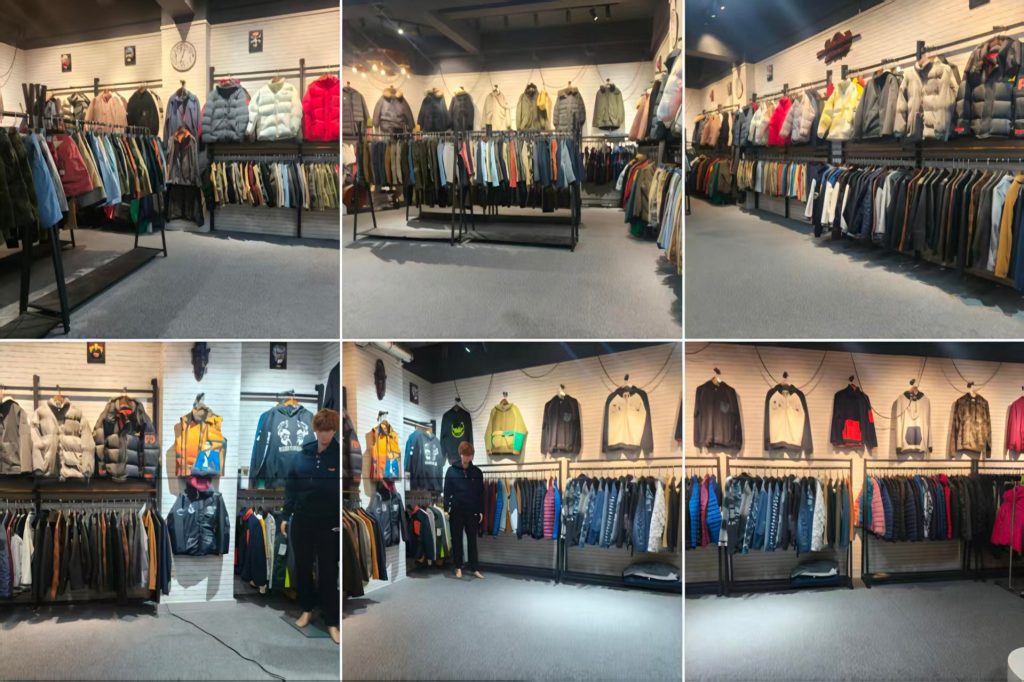
A quote is only as durable as the inputs behind it.
How Long Is a Clothing Quote Valid?
Practice varies, but the common pattern looks like this:
| Quote type |
Typical validity |
Why |
| Indicative quote at first contact |
About 15 days |
Priced from the fabric market and a standard spec, no sample behind it |
| Bulk FOB quote after sampling |
15 to 30 days |
Fabric and trims identified, but not yet booked |
| Quote with fabric booked against a deposit |
60 days or more |
Main input is locked, so the factory can commit |
| DDP quote |
Shortest of the three above |
Freight and duty exposure sit with the factory and reprice fastest |
The pattern: the closer the factory is to locking real inputs, the longer the number survives. Buyers who need a longer window usually get it by letting the factory book fabric earlier — a deposit conversation, not a discount one.
What Moves the Price Between Quote and Order
- Fabric market. Yarn and grey goods reprice continuously, and a mill's quote for a custom dye can lapse in days — stock fabric holds a price far longer, so the stock versus custom dyed fabric decision is also a validity decision.
- Trims. Dyed-to-match tape, engraved buttons and woven labels are quoted per run; a delay past the supplier's own window restarts that price.
- Capacity and calendar. Quotes issued before peak season carry a different labour and capacity picture than those issued after; factories plan capacity months ahead.
- Freight. Under EXW and FOB this sits with the buyer; under DDP it sits with the factory and moves into their validity.
- Exchange rate. The quote converts the factory's local costs at a rate fixed on the quote date; that assumption holds until the rate moves.
- Specification changes. The quietest mover: a "small" change — a heavier zip, an extra pocket, a different lining — reopens the whole calculation. The jacket front below carries a zip, snap hardware, topstitch and interlining, each a separate quoted line.
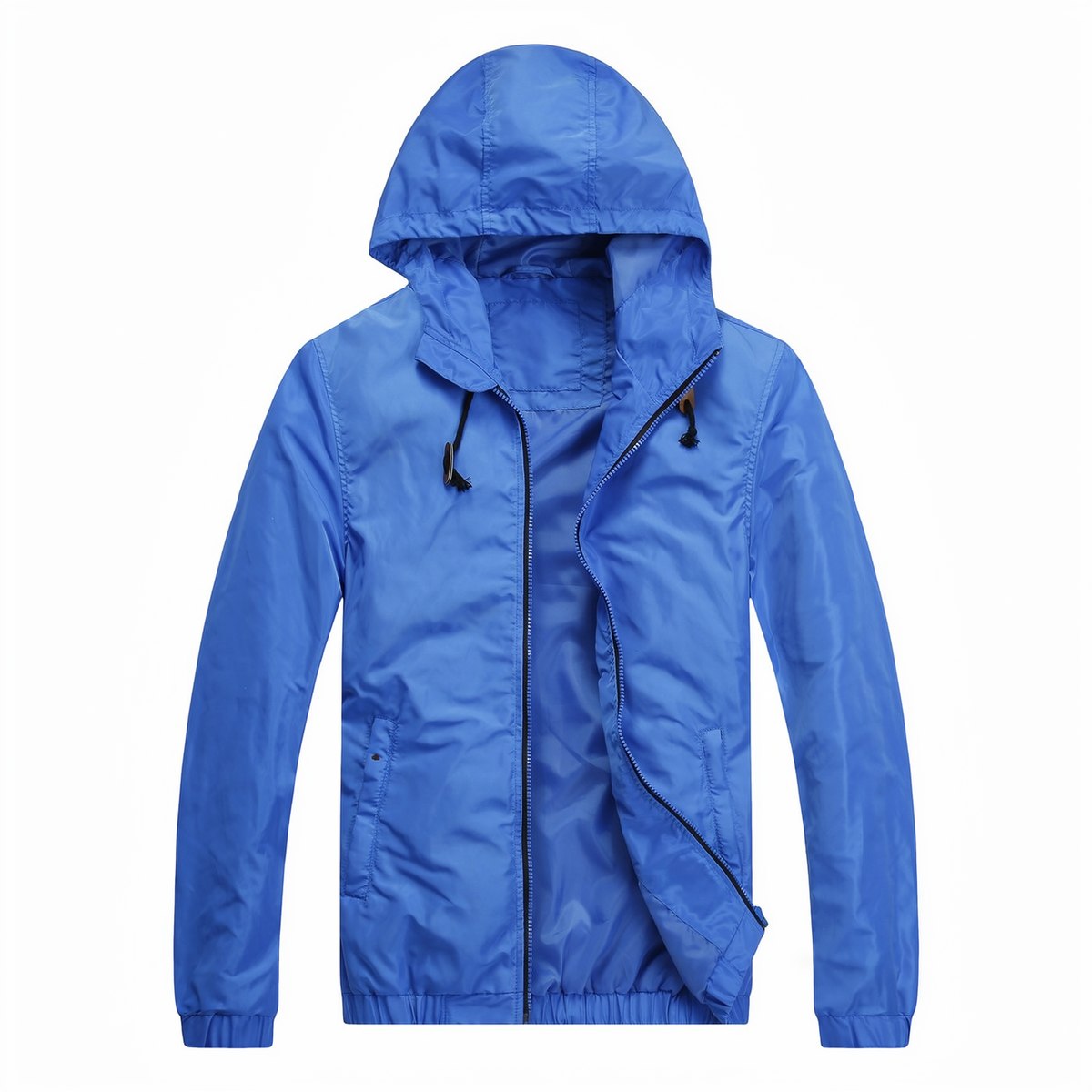
Every visible component is a separately quoted line.
The Currency Clause: Deciding Who Absorbs the Move
Most garment trade is invoiced in US dollars, but the factory's costs are not. The exchange rate on the quote date is therefore an assumption, and a currency clause says what happens when reality departs from it. A worked example: a quote issued at 7.00 is confirmed at 7.21 — about a 3% move. On a US$40,000 order that is US$1,200, and the clause decides whose problem it is.
| Clause type |
How it works |
Best suited to |
| Fixed price |
Factory absorbs the move within the validity window |
Short windows, stable-rate periods, first orders where trust is being built |
| Threshold split |
Moves up to an agreed percentage are absorbed; beyond it, the difference is shared or passed through |
Longer windows, repeat programs, volatile-rate periods |
| Indexed |
Final price is recalculated at a named reference rate on the PO date, stated in the contract |
Large orders or any program spanning several months |
A threshold split is the most common landing point in practice, because it is symmetrical: the buyer accepts that prices can adjust, the factory accepts that it cannot requote for routine noise. Whichever form is chosen, name the reference rate and the trigger date in writing — a clause that says "prices subject to exchange rate movements" with no numbers protects no one.
Price Validity and Trade Terms: EXW, FOB and DDP
Validity interacts with the trade term because the term decides which cost inputs belong to whom. Under EXW the buyer carries everything from the factory gate outward, so the factory's validity covers production inputs only — the most stable quote. Under FOB the factory adds local trucking, customs and port handling; still contained. Under DDP the factory also owns freight and destination duties, the fastest-repricing inputs in the chain, which is why DDP quotes carry the shortest validity. The EXW, FOB and DDP comparison walks through the responsibility split in detail; ask for a validity period per trade term, because a DDP price is a forecast of two markets, not one.
What to Get in Writing Before You Confirm the PO
- The validity end date, as an explicit calendar date rather than "30 days from quote".
- The invoice currency and, if relevant, the reference exchange rate used to build the quote.
- The currency clause: fixed, threshold split or indexed — with the threshold percentage named.
- The specification the price is tied to: sample reference, tech pack version and trim list.
- Quantity tiers, and whether the price holds across the tier or only at the quoted quantity.
- What happens on expiry: automatic requote, or a grace period at a stated adjustment basis.
Six lines, one email. Confirming them converts a quote into something both sides can plan around — the same discipline the hidden costs in garment manufacturing guide applies to the price itself.
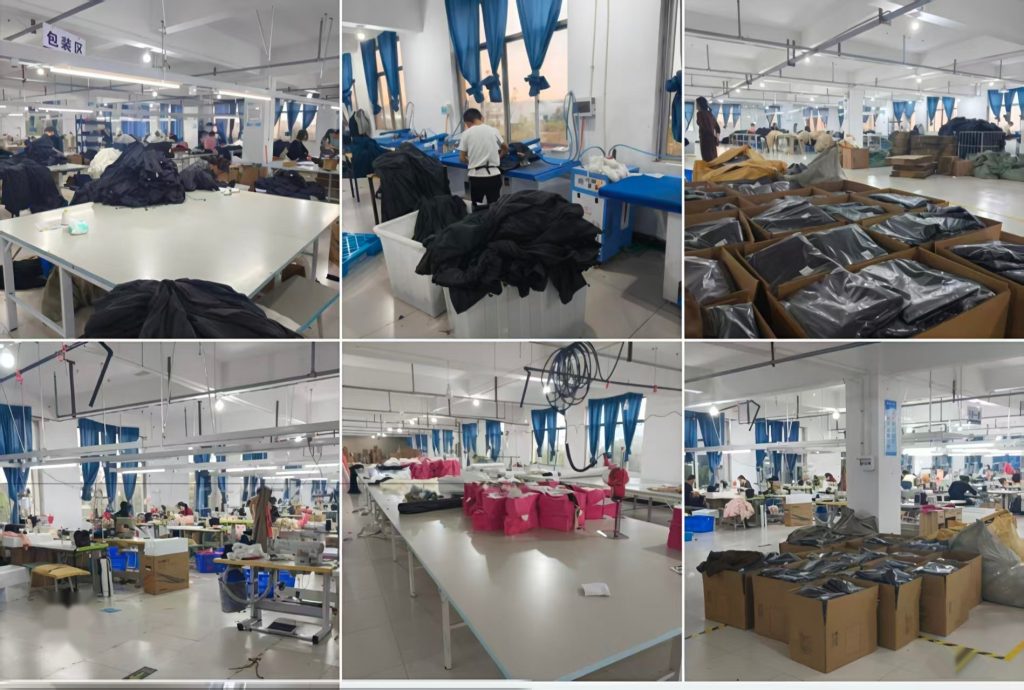
The price you can still trust at packing time is the one confirmed in writing.
How GorgeousBen Quotes
GorgeousBen issues quotations with the validity end date, the currency basis and the specification reference written on the face of the quote, so buyers can take the number to their own customers without an unspoken expiry. Where a program needs a longer window, the conversation moves to what that actually costs — booking fabric earlier against a deposit — rather than silent risk-carrying. The same theme runs through the note on why the lowest quote rarely stays the lowest: a quote that cannot state its assumptions is not the cheapest number, it is the least defined one.
Frequently Asked Questions
How long is a clothing manufacturer's quote valid?
Commonly 15 to 30 days. An indicative pre-sampling quote sits at the short end; a bulk quote with fabric identified holds longer. Where a deposit locks the main fabric input, factories will often commit to 60 days or more.
Can a buyer ask a factory to hold a quote price longer?
Yes, but a longer guarantee means the factory carries fabric, labour and currency risk without an order. The workable routes: book fabric earlier against a deposit, lock the specification tighter, or agree a threshold adjustment so routine movements are shared.
What is a currency clause in a garment purchase order?
It is a written term that defines the exchange rate assumption behind the quoted price and what happens when the rate moves beyond an agreed threshold. The three common forms are a fixed price, a threshold split where movements beyond the percentage are shared, and an indexed price recalculated at a named reference rate.
Should the invoice be in the buyer's currency or the factory's?
Most garment export trade is invoiced in US dollars regardless of either party's home currency. The more useful question is which exchange rate assumption the price was built on and who owns movements beyond it — that is what the currency clause should state, whatever the invoice currency. The guide to T/T, L/C and escrow payment terms covers when money actually changes hands.
Put the Validity Window in Writing
Before confirming the next program, ask each factory on your list two questions: until which date does this price stand, and what assumptions does it carry. The answers tell you more about the supplier than the price itself. GorgeousBen quotes menswear — cargo pants as the flagship category, plus jackets, chinos, shorts and shirting — from its own cutting, sewing and packing floors in Shishi, Fujian. Review the GorgeousBen product catalogue and contact the team with your style sheet, target quantity and delivery window to receive a quotation with its validity window written on the first line.


